
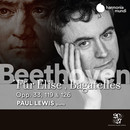
Ludwig van Beethoven : 'Für Elise' / Bagatelles
Paul Lewis- Bagatelles, Op. 33 - 1. Andante grazioso quasi allegretto
- Bagatelles, Op. 33 - 2. Scherzo. Allegro
- Bagatelles, Op. 33 - 3. Allegretto
- Bagatelles, Op. 33 - 4. Andante
- Bagatelles, Op. 33 - 5. Allegro ma non troppo
- Bagatelles, Op. 33 - 6. Allegretto quasi andante (D Major)
- Bagatelles, Op. 33 - 7. Presto
- Bagatelles, Op. 119 - 1. Allegretto
- Bagatelles, Op. 119 - 2. Andante con moto
- Bagatelles, Op. 119 - 3. à l'Allemande
- Bagatelles, Op. 119 - 4. Andante cantabile
- Bagatelles, Op. 119 - 5. Risoluto
- Bagatelles, Op. 119 - 6. Andante. Allegretto
- Bagatelles, Op. 119 - 7. [Allegro ma non troppo]
- Bagatelles, Op. 119 - 8. Moderato cantabile
- Bagatelles, Op. 119 - 9. Vivace moderato
- Bagatelles, Op. 119 - 10. Allegramente
- Bagatelles, Op. 119 - 11. Andante ma non troppo
- Bagatelles, Op. 126 - 1. Andante con moto, cantabile e con piacevole
- Bagatelles, Op. 126 - 2. Allegro
- Bagatelles, Op. 126 - 3. Andante, Cantabile ed espressivo
- Bagatelles, Op. 126 - 4. Presto
- Bagatelles, Op. 126 - 5. Quasi allegretto
- Bagatelles, Op. 126 - 6. Presto. Andante amabile e con moto
- Bagatelle in A Minor, WoO 59 ʻFür Eliseʼ
- Klavierstück in B-Flat Major, WoO 60
- Klavierstück in B Minor, WoO 61
- Klavierstück in G Minor, WoO 61a
- Fantasia in G Minor, Op. 77
In our collective idea of the piano, Beethoven’s name is associated with the monument of the thirty-two sonatas, which have often been elevated to the status of the ‘New Testament’ beside the ‘Old Testament’ of Bach’s Well-Tempered Clavier. Yet, over a period of decades, the composer of Für Elise constantly returned to the genre of the bagatelle, which he called ‘trifles’ but which actually meant a great deal to him. In this small form par excellence, as in the sonata, Beethoven laid the foundations for a flourishing new genre, the piano miniature. Whether they last a few minutes or a few seconds, these Bagatelles are masterpieces!